How Modern Fuel Supply Stations Support Industrial Growth
Modern industries rely heavily on efficient and consistent access to fuel and lubricants. Whether it’s construction, agriculture, logistics, or manufacturing, fuel is the backbone of operations. Today’s fuel supply stations—like the mobile and modular setups used by leading suppliers—offer businesses more flexibility, reliability, and cost-effective solutions than ever before.
1. Designed for Industrial Demands
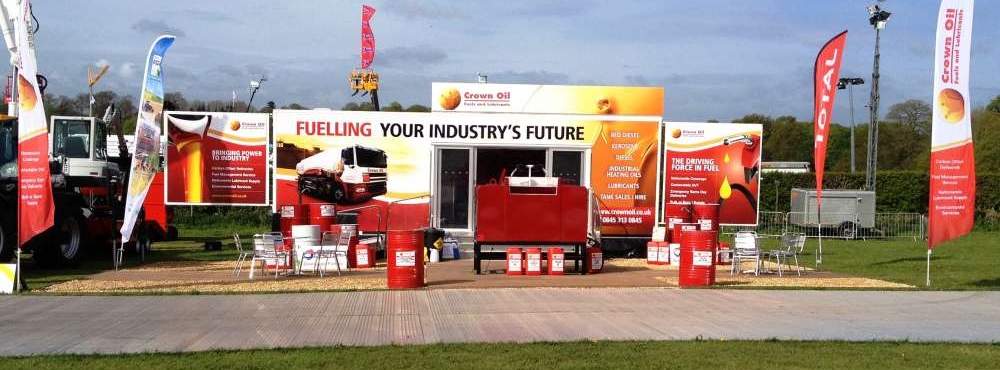
Fuel supply setups are no longer limited to traditional refineries or fixed depots. The modern stations used for commercial purposes are designed to support onsite refuelling, bulk delivery, and tailored storage solutions.
These mobile stations often include:
Fuel bowsers and drums
Lubricant storage racks
High-capacity tanks
Safety-compliant refuelling equipment
Branded service booths for customer support
This gives businesses the ability to refuel machinery, vehicles, and generators instantly without disrupting workflows.
2. Supporting Agriculture, Construction & Transport
Industries with heavy machinery benefit significantly from mobile and modular fuel plants.
For example:
Agricultural sites use them for tractors, grain dryers, and harvesters.
Construction sites rely on them for diggers, cranes, and onsite generators.
Logistics and haulage operators depend on fuel availability to keep fleets running efficiently.
With on-demand fuel, these sectors avoid downtime caused by delays or shortages.
3. High-Quality Lubricants for Better Performance
Modern commercial stations also supply premium lubricants and oils, including hydraulic oils, engine oils, and industrial fluids. These help:
Reduce equipment wear
Improve fuel efficiency
Extend machinery lifespan
Lower operational maintenance costs
Many providers also offer expert advice to ensure businesses use the right lubricant for every application.
4. Compliance & Environmental Responsibility
Safety and compliance are top priorities in today’s fuel industry. Professional fuel supply providers follow strict regulations covering:
Safe oil storage
Spill prevention
Handling hazardous materials
Fire protection standards
Many setups also include spill kits, bunded containers, and environmental protection signage to ensure businesses remain compliant and eco-friendly.