The Role of Advanced Piping Systems in Modern Industrial Plants
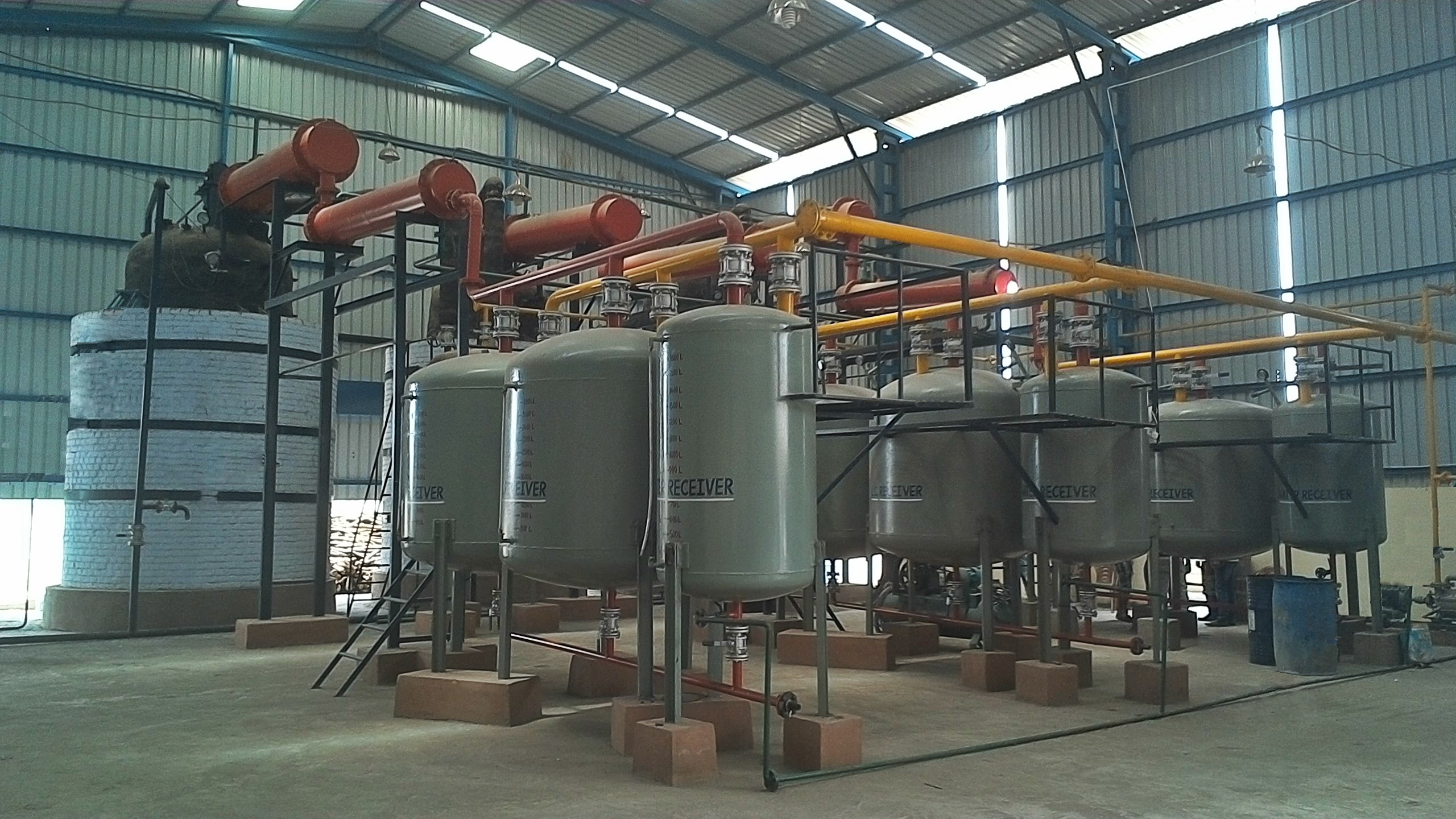
Industrial plants rely on sophisticated piping systems to transport liquids, gases, and chemicals safely and efficiently. Whether used in oil processing facilities, chemical plants, or manufacturing units, the quality and design of these systems directly impact overall productivity and operational safety. Modern engineering innovations have transformed how pipelines, valves, and fittings operate in demanding environments.
1. Precision Engineering for Fluid Transfer
The piping systems used in industrial plants are built to handle high pressure, extreme temperatures, and corrosive substances.
Components such as:
High-grade steel pipes
Reinforced joints
Transparent flow indicators
Industrial-grade valves
ensure that fluid transfer is both accurate and uninterrupted. These systems are crucial for industries where even minor disruptions can lead to costly downtime.
2. Enhanced Safety Through Modern Materials
Safety is a top priority in any processing plant. Advanced materials—such as stainless steel, corrosion-resistant alloys, and reinforced polymers—help reduce risks of leakage, chemical reactions, or system failures.
Modern components are designed to withstand:
High pressure variations
Chemical exposure
Thermal expansion
Mechanical stress
This not only enhances plant safety but also extends the lifespan of equipment.
3. Real-Time Monitoring and Visibility
Many modern piping setups include transparent sections or sight-flow indicators (like the one shown in the image). These components allow engineers to visually monitor the movement of liquids or gases within the system.
Benefits include:
Faster problem detection
Better quality control
Reduced risk of contamination
Improved safety inspections
This added visibility is especially valuable in oil processing and chemical manufacturing.
4. Supporting Efficient Plant Operations
Optimized piping systems reduce energy consumption and improve process efficiency. With better control over flow rates and system pressure, industries can achieve:
Higher production output
Reduced operational costs
Improved reliability of machinery
Lower maintenance requirements
Regular inspection and high-quality components also help prevent unexpected failures.
5. Future-Ready Industrial Infrastructure
The future of industrial piping is shaped by smart technology, automation, and IoT integration. Plants are now adopting intelligent sensors to monitor:
Pressure levels
Flow rates
Temperature changes
Wear and corrosion in real time
These innovations help companies predict maintenance needs and eliminate downtime, ensuring smoother and safer operations.